
My Real Journey to Getting a Working Holiday Job
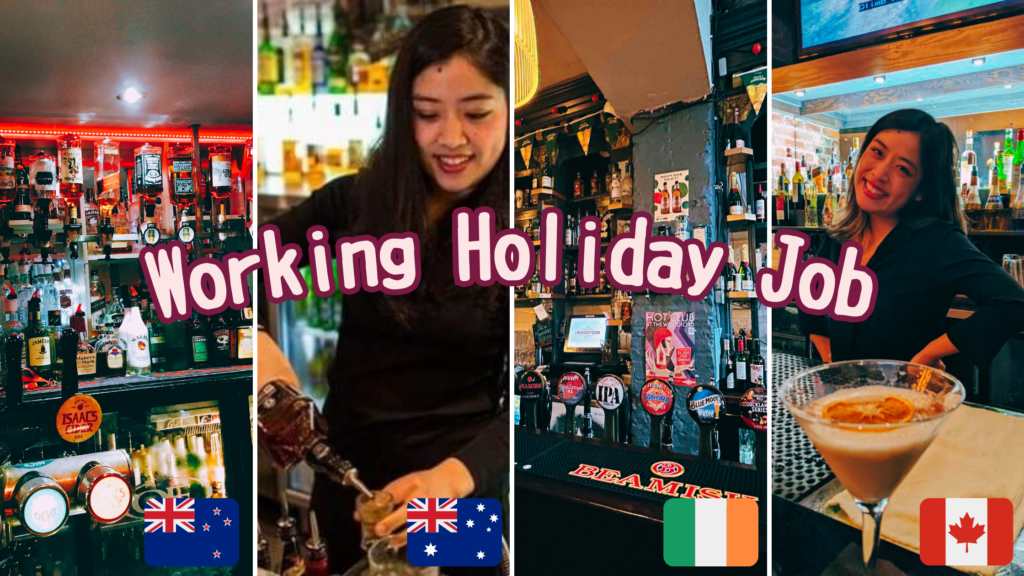
1. New Zealand
- The CV That Probably Went to the Trash… Twice -
My Real Journey to Getting a Working Holiday Job: Failures, Surprises, and Small Wins
When I started looking for a working holiday job in New Zealand, nothing went smoothly.

Attempt #1
I walked into a bar and handed in my CV. The manager asked,
“Have you ever worked in an English-speaking environment?”
My answer was no. I’m pretty sure my CV went straight into the trash.
Attempt #2
A month later—after finally getting my first English-speaking job—I tried again.
A different manager asked, “Are you comfortable handling New Zealand dollars?”
Again, my answer was no. Probably trash bin #2.
I eventually found work at another restaurant, and everything was a challenge at first.
Taking orders, using the till, and operating the computer were all in English.
Even giving change with coins I had never seen before—25 cents, 2-dollar coins—was confusing.
But little by little, these things became normal.
Attempt #3
One night, I visited the first bar as a customer.
The bartender offered me a drink, but I said,
“Actually… I want a job more than a drink.”
I gave them my CV again, and this time the conversation finally became a real chance.
The keys to get a job
1. Have experience in English-speaking environment
(anywhere is fine but just to show that you have experience on your resume)
2. Get used to local money. Different currency each country.
2. Australia
- Me vs. the Aussie Girl — Who Gets the Job?! -
Australia brought new challenges—stricter rules, a faster pace,
and managers who expected you to be ready on day one.
So before applying for any working holiday job, I prepared as much as possible.
What I Did Before Job Hunting
Since my English was weak, I wanted my qualifications to be strong.
I completed every certification I needed:
- RSA – for serving alcohol
- RSG – for venues with gaming machines
- Barista training – because coffee is serious business in Australia, and barista skills are very important for being a bartender
What Managers Told Me
RSA and RSG are just the minimum.
Good English communication often matters more.
My certificates only put me at the starting line.
Me vs. the Aussie Girl
During one hiring process, I was basically competing with a local girl.
Me: weak English, but all certificates.
Her: perfect English, only RSA.
Logically, she should have gotten the job.
But in the end, I was hired
because the venue needed both RSA and RSG, and additionally, my barista training.
That day I learned: preparation can beat perfect English.
The keys to get a job for working holiday
If you meet the requirements and show willingness,
you can beat native English speakers.
3. Ireland: I Think They Hired Me…
- But the Accent Made It Impossible to Tell -
Not Learning from My Mistakes in Australia
I repeated my old mistake from Australia,
back then, I couldn’t understand the hiring call and didn’t even know which place hired me.
I thought I had learned, but Ireland proved otherwise.
What to Know When Dropping Off Your Resume
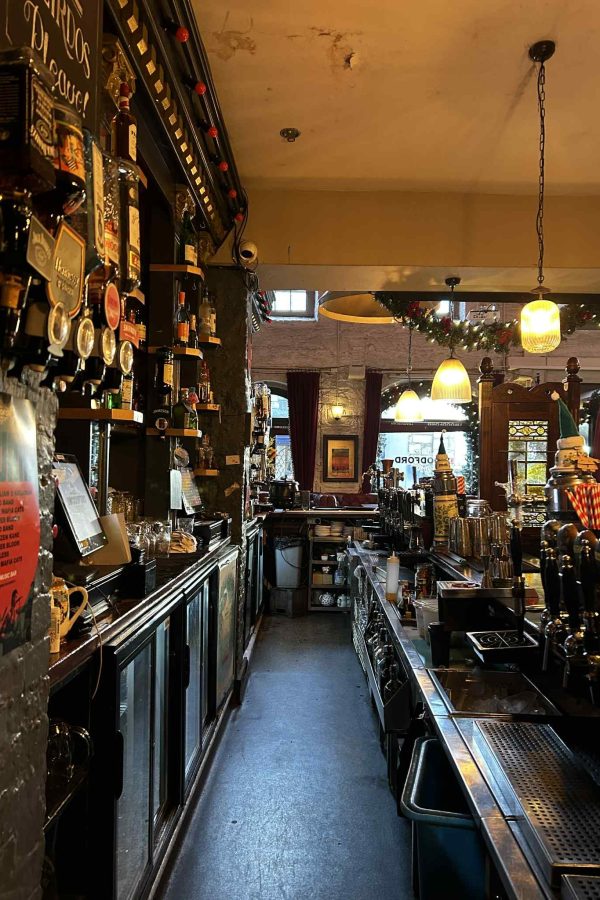
My first Irish interview was with a young manager whose accent was so strong I understood almost nothing.
I walked out unsure if I answered correctly or if he even understood me.
Then the hiring contact came.
In Ireland, offers usually come by email or phone,
and mine came from an older Irish man with an even stronger accent.
When he said, “Are you ready to start?!”
I honestly couldn’t tell if that meant I was hired or just being asked a general question.
The Hardest Step Before Getting the Job
I later realized that the hardest part of getting a job in Ireland is simply understanding managers’ English.
Even if you are confident in English, Irish accents are something you can’t learn from textbooks,
you need time and real-world exposure.
Ireland taught me that job hunting abroad isn’t just about English skills,
but about adapting to accents you only understand through experience.
4. Canada
- Showed Up Ready to Work—Right After Hiring Season Ended -
Canada’s Restaurant & Bar Hiring Reality, according to 15+ Managers
After my adventures in New Zealand, Australia, and Ireland, I returned to Canada full of optimism…
and terrible timing. I had my resume ready, and I even knew when the hiring season was from my previous experience in Canada
but I was too busy and missed it. Most restaurants and bars had already finished hiring for the year.
Talking to 15+ managers taught me a lot:
timing is very important, even for entry-level positions, and networking often beats dropping off resumes blindly.
Talking with friends who are bar managers often opened more doors than a polished CV ever could.
Working Multiple Jobs to Get Consistent Hours
Eventually, I realized waiting wasn’t enough.
I started juggling multiple working holiday jobs—in restaurants and hotels.
Even if bartender positions were already filled, I wanted to position myself for future openings.
It wasn’t glamorous, but it worked. I earned money, gained Canadian work experience,
and learned the local rhythm of tipping, shifts, and customer expectations.
Canada taught me that persistence pays off.
Even if the timing is off and the perfect working holiday job seems impossible,
showing up ready to work—even in small roles—leads to unexpected opportunities and small wins that add up.